

How Much Silage Is Lost Through Poor Bale Wrapping?
Every bale of silage represents an investment.
Before forage reaches storage, producers have already invested in seed, fertilizer, crop protection products, fuel, equipment, labor and land. When silage quality deteriorates during storage, the financial impact extends far beyond the value of the bale itself.
While harvesting conditions, moisture content and crop quality all influence silage preservation, bale wrapping remains one of the most important factors in protecting forage during storage. Poor wrapping practices, damaged film and oxygen exposure can all contribute to silage losses that reduce feed value and increase operating costs.
Understanding how and why silage losses occur can help livestock producers make informed decisions about storage practices and forage protection throughout the feeding period.
Understanding Silage Losses on Modern Farms
Silage losses occur when harvested forage deteriorates before it is fed to livestock.
These losses can take several forms, including:
- Dry matter losses
- Reduced nutritional value
- Spoilage around damaged areas
- Mold growth
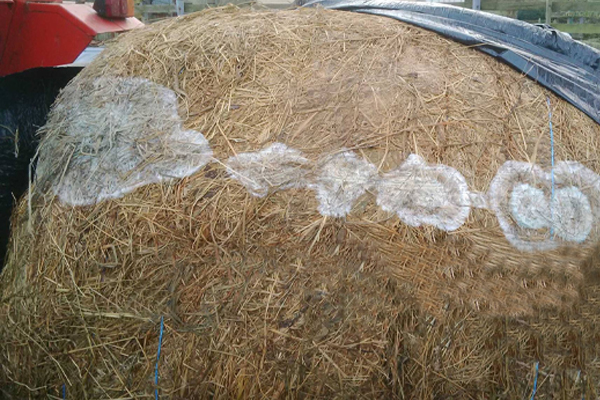
In some cases, losses are immediately visible when a bale is opened. In others, deterioration occurs gradually and may only become apparent once feed quality begins to affect animal health.
Because silage often remains in storage for months before feeding, maintaining bale integrity throughout this period is critical.
Learn more about protecting forage quality in our Agricultural Film Solutions for Livestock & Feed Operations.
Why Bale Wrapping Matters
Successful silage preservation depends on maintaining anaerobic conditions inside the bale.
Once oxygen is excluded, fermentation can take place, helping preserve nutrients and stabilize the forage.
When wrapping is damaged or inadequate, oxygen can enter the bale and create conditions that allow unfavorable organisms to become active. As oxygen levels increase, forage quality may begin to decline.
Bale wrapping serves several important functions:
- Limiting oxygen ingress
- Supporting fermentation
- Protecting against environmental conditions
- Reducing spoilage risks
- Helping maintain feed quality during storage
The effectiveness of these functions depends on both film performance and wrapping practices.
For operations producing silage across multiple harvests, selecting the right silage stretch film can play an important role in supporting long-term forage preservation.
Common Causes of Silage Losses
While no storage system is completely risk-free, many silage losses can be traced back to a relatively small number of causes.
Oxygen Exposure
Oxygen remains one of the most significant threats to silage preservation.
Even small punctures or tears can allow air to enter the bale over time. Once oxygen is present, undesirable microorganisms may begin consuming nutrients and generating heat.
Common sources of oxygen exposure include:
- Damaged wrapping
- Inadequate overlap
- Poor repairs
- Wildlife damage
- Handling damage
Film Damage During Handling
Wrapped bales are often moved several times before feeding.
Damage may occur during:
- Bale transport
- Loading and unloading
- Stacking
- Storage management
Small punctures can easily go unnoticed but may still affect long-term storage performance.
Operations producing large volumes of forage may also benefit from reviewing whether bale net replacement film is appropriate for their wrapping process.
Storage Conditions
The storage environment can also influence forage preservation.
Poor drainage, standing water and excessive bale movement can increase the risk of deterioration. Regular inspections help identify potential issues before losses become more significant.
Wildlife and Pest Activity
Birds, rodents and other wildlife can damage wrapping materials and create openings that allow oxygen to enter the bale.
Storage sites should be inspected regularly for evidence of wildlife activity.
The Financial Impact of Poor Preservation
Many producers focus on the visible effects of spoilage, but the true cost of silage losses often extends much further.
Reduced Feed Value
When forage deteriorates, its nutritional value may decline.
This can affect:
- Feed quality
- Ration consistency
- Feed intake
- Animal performance
Reduced feed value means producers receive less benefit from crops they have already grown and harvested.
Additional Feed Costs
When forage losses occur, replacement feed may be required.
Depending on market conditions, purchasing additional forage can represent a significant expense. Feed shortages may also reduce flexibility when developing feeding programs.
Increased Labor Requirements
Damaged bales often require additional management.
Producers may need to:
- Separate spoiled material
- Remove damaged sections
- Handle replacement feed
- Manage storage issues
These activities require time and labor that could otherwise be spent elsewhere on the operation.
Long-Term Operational Impact
When forage inventories are reduced by spoilage, livestock producers may have fewer options available during periods of feed demand.
Protecting stored forage helps support more predictable feed planning throughout the year.
How Wrapping Quality Affects Feed Value
Not all silage losses occur because of major failures.
In many cases, deterioration develops gradually as oxygen enters the bale through small areas of damage or poor sealing.
Effective wrapping helps maintain the conditions needed for successful fermentation and long-term storage.
Factors that can influence wrapping performance include:
- Film quality
- Number of wrap layers
- Wrapping consistency
- Bale density
- Handling practices
- Storage conditions
These factors work together to influence how well forage is protected throughout storage.
For producers storing large volumes of forage, even small improvements in preservation can have a meaningful impact across an entire feeding season.
For livestock operations located in North America, climate conditions can also influence wrapping performance. Producers may find additional guidance within our Agricultural Film Solutions for the United States and Agricultural Film Solutions for Canada resource pages.
Best Practices for Reducing Silage Losses
While every operation is different, several practical steps can help reduce the risk of forage deterioration.
Wrap Bales Promptly
Delays between baling and wrapping increase the opportunity for oxygen exposure.
Prompt wrapping helps support successful fermentation and long-term preservation.
Handle Bales Carefully
Reducing unnecessary movement and using suitable handling equipment helps protect wrapping materials from damage.
Select Suitable Storage Areas
Storage sites should provide:
- Good drainage
- Stable ground conditions
- Easy access for inspections
Proper storage conditions help support bale integrity throughout the storage period.
Inspect Bales Regularly
Routine inspections help identify:
- Film damage
- Wildlife activity
- Standing water
- Signs of spoilage
Addressing problems early may help prevent larger losses later.
Use Appropriate Agricultural Film
Film plays a critical role in helping maintain the anaerobic environment required for successful silage preservation.
Producers should select agricultural film solutions suited to their crop type, storage duration and environmental conditions.
Explore Sunfilm's range of:
- Silage Stretch Film
- Bale Net Replacement Film
to learn more about agricultural film options for forage preservation.
Protecting Forage Quality Throughout Storage
Forage preservation does not end when the bale leaves the wrapper.
Storage conditions, handling practices and film performance all influence how well harvested crops are protected during the months that follow.
While some losses may be unavoidable, many causes of silage deterioration can be reduced through good wrapping practices, regular inspections and appropriate storage management.
For livestock producers, protecting forage quality helps preserve feed value, reduce waste and make better use of harvested crops throughout the feeding season.
Looking to Reduce Silage Losses?
Learn more about Agricultural Film Solutions for Livestock & Feed Operations and discover practical approaches to protecting forage quality throughout storage.